The marketing landscape of 2026 represents a fundamental paradigm shift where traditional broadcast approaches face extinction against precision-driven digital strategies that deliver measurable results and authentic customer connections.
Transformation in Marketing Strategies
From Interruption to Engagement
I observe a complete transformation from interruption-based mass marketing to invitation-based engagement, where businesses must leverage sophisticated technology stacks and data-driven personalization to remain competitive in an economy where consumers spend over 8 hours daily on digital media.
Artificial Intelligence in Marketing
Artificial intelligence now powers marketing automation at unprecedented levels. Machine learning algorithms analyze consumer behavior patterns in real-time, predicting purchase intent with 94% accuracy across multiple touchpoints. I recommend businesses integrate AI-powered customer relationship management systems that automatically segment audiences based on engagement signals rather than demographic assumptions.
Content Creation Revolution Through AI
Content creation has evolved beyond human capacity limitations through generative AI tools. These platforms produce personalized video content, interactive experiences, and dynamic messaging that adapts to individual user preferences instantly. Smart marketers combine AI efficiency with human creativity to scale authentic storytelling across thousands of micro-segments simultaneously.
Privacy-First Marketing
Privacy-first marketing strategies have become mandatory following stricter data protection regulations. First-party data collection through value exchanges now drives customer acquisition more effectively than third-party tracking ever did. Businesses build direct relationships by offering exclusive content, early access to products, or personalized recommendations in exchange for voluntary data sharing.
Voice and Conversational Commerce
Voice and conversational commerce dominate purchase journeys through sophisticated chatbots and voice assistants. Nearly 70% of consumers complete transactions through voice commands or text-based conversations with AI representatives. Companies invest heavily in natural language processing capabilities to create seamless conversational experiences that feel genuinely human.
Social Media as Commerce Ecosystems
Social media platforms have transformed into comprehensive commerce ecosystems where discovery, evaluation, and purchase happen within single applications. Live streaming commerce generates billions in revenue as influencers demonstrate products in real-time while viewers purchase instantly through embedded shopping features.
Augmented Reality’s Impact
Augmented reality bridges the gap between digital marketing and physical experiences. Consumers try on clothing, visualize furniture in their homes, or test makeup shades through AR applications before making purchase decisions. This technology reduces return rates by 40% while increasing customer confidence in online purchases.
Subscription Economy Expansion
Subscription economy strategies extend beyond traditional SaaS models into every industry vertical. Businesses create recurring revenue streams through membership programs, exclusive access tiers, and curated experience packages that build long-term customer lifetime value rather than focusing on single transactions.
The Rise of Micro-Influencers
Micro-influencer partnerships outperform celebrity endorsements in both engagement rates and conversion metrics. Brands collaborate with niche content creators who maintain authentic relationships with specific communities rather than pursuing broad reach through expensive macro-influencer campaigns.
Real-Time Personalization Engines
Real-time personalization engines adjust website content, product recommendations, and pricing strategies based on individual user behavior within milliseconds. This dynamic optimization increases conversion rates by up to 35% compared to static marketing approaches.
The Key to Success
I believe businesses that embrace these technological advances while maintaining human authenticity will dominate market share. The most successful companies treat marketing as an ongoing conversation rather than a series of promotional broadcasts, building genuine relationships that transcend traditional buyer-seller dynamics.
How 2026 Marketing Will Redefine Customer Engagement Forever
The average person spends over 8 hours per day on digital media, creating an unprecedented shift in how brands connect with their audiences. This digital immersion transforms marketing from traditional broadcast messaging into sophisticated relationship-building strategies that demand constant attention and adaptation.
The Death of One-Size-Fits-All Marketing
Consumer expectations have evolved dramatically, with today’s audiences demanding personalized experiences rather than generic advertising messages. Generic campaigns now face immediate rejection, as consumers possess the tools and knowledge to filter out irrelevant content instantly. This shift forces businesses to abandon mass-market approaches in favor of targeted, data-driven strategies that speak directly to individual needs and preferences.
Modern consumers demonstrate remarkably low tolerance for interruption-based advertising, making traditional methods increasingly ineffective. The digital-first economy rewards brands that understand this fundamental change and adapt their messaging accordingly.
From Interruption to Invitation
Marketing philosophy undergoes a complete transformation as we move from interruption-based approaches to invitation-based engagement. This evolution requires brands to create valuable content that attracts rather than intrudes, building genuine connections through helpful resources and meaningful interactions.
Data-driven engagement becomes the cornerstone of successful marketing strategies, allowing businesses to understand customer behavior patterns and preferences with unprecedented accuracy. Companies that embrace this shift can build content optimization strategies that resonate deeply with their target audiences.
This fundamental restructuring of customer engagement creates opportunities for brands willing to invest in understanding their audiences at a granular level. The companies that succeed in 2026 will be those that recognize marketing as a service rather than a sales pitch, providing value at every touchpoint while building lasting relationships through authentic, personalized experiences.
Why Traditional Marketing Approaches Face Extinction in 2026
Traditional marketing faces an unprecedented crisis as costs skyrocket while effectiveness plummets. A 30-second prime-time television advertisement commands between $100,000 to $500,000, yet delivers broad, unrefined audience reach with virtually no measurable results. Companies can’t determine which viewers converted into customers or calculate precise return on investment.
Print media struggles even more dramatically. Newspaper advertising revenue will drop 15-20% below pre-pandemic levels by 2026, reflecting advertisers’ abandonment of this antiquated channel. The decline isn’t merely cyclical—it represents a fundamental shift in consumer behavior and attention patterns.
Measurability Crisis in Traditional Channels
Direct mail campaigns exemplify traditional marketing’s core weakness. Prospect lists generate average response rates of only 2.9%, meaning companies waste 97.1% of their budget on uninterested recipients. Traditional ROI calculations rely on correlation rather than causation, creating inefficient budget allocation decisions. Marketers can’t identify which specific touchpoints drove conversions or optimize campaigns in real-time.
Cost-Effectiveness Gap Widens
Digital alternatives offer precise targeting capabilities that traditional methods simply can’t match. While a television commercial broadcasts to millions of irrelevant viewers, digital campaigns target specific demographics, interests, and behaviors. Companies implementing a comprehensive content optimization strategy achieve measurable results at a fraction of traditional costs.
The mathematics are clear: traditional marketing demands massive expenditures for minimal, untrackable returns. Digital platforms provide detailed analytics, real-time optimization, and precise audience targeting. Companies continuing to invest heavily in traditional channels will find themselves hemorrhaging budget while competitors achieve superior results through data-driven digital approaches.
Digital Marketing Dominance: Where Precision Meets Profitability
Digital marketing has shifted from an optional strategy to a business imperative. Global digital advertising spend will exceed $876 billion by 2026, proving this transformation isn’t temporary—it’s permanent. Traditional marketing’s broad-brush approach can’t compete with digital’s surgical precision.
Personalization Drives Unprecedented Returns
Modern consumers expect brands to understand their preferences. Over 75% are more likely to purchase from companies that recognize their needs and deliver relevant recommendations. This expectation creates massive opportunities for businesses willing to adapt their approach.
Email marketing exemplifies digital’s superior return potential, generating an average ROI of $36 for every $1 spent. Compare this to traditional direct mail’s typical 1-2% response rates, and the advantage becomes clear. Digital channels don’t just reach more people—they reach the right people at optimal moments.
AI-Powered Precision Replaces Guesswork
First-party data collection has become critical as third-party cookies disappear. Over 85% of marketers now prioritize increasing first-party data usage to maintain competitive advantages. This shift demands sophisticated content optimization strategies that traditional marketing simply cannot provide.
AI-driven personalization has evolved beyond basic segmentation. Hyper-personalization now predicts next purchases, delivers real-time behavior recommendations, and creates seamless omnichannel experiences. Traditional marketing’s one-size-fits-all messaging feels antiquated when consumers experience dynamic content that adapts to their immediate needs.
Digital marketing’s dominance stems from measurable results, precise targeting, and authentic customer connections that drive sustained profitability.
The Essential Technology Arsenal for 2026 Marketing Success
The marketing technology stack has become absolutely essential for business survival in 2026. Companies can’t compete without the right digital tools supporting their growth initiatives.
Core Platform Foundation
Customer Relationship Management (CRM) platforms form the backbone of modern marketing operations. HubSpot, Salesforce Marketing Cloud, and Adobe Experience Platform function as central data hubs, collecting and organizing customer information across all touchpoints. These systems enable personalized experiences that drive revenue growth.
Analytics tools deliver the insights needed for strategic decision-making. Google Analytics 4, Mixpanel, and Tableau provide granular performance data that reveals customer behavior patterns and campaign effectiveness. This information guides budget allocation and strategy optimization.
Content and Visibility Tools
SEO platforms have become indispensable for digital visibility. Semrush, Ahrefs, and Clearscope ensure content ranks high in search results, driving organic traffic that converts. I find implementing a comprehensive content optimization strategy significantly improves search performance.
AI content generation tools like Jasper and Copy.ai enable personalized content creation at unprecedented scale. These platforms help maintain consistent messaging while adapting to individual customer preferences.
Marketing automation platforms including Marketo, Klaviyo, and ActiveCampaign nurture leads automatically through sophisticated workflows. This automation ensures no prospect falls through the cracks while maintaining personal touch points.
Social media presence has reached critical importance, with over 90% of consumers expecting brands to maintain active profiles for customer service. This expectation makes social media management tools essential components of any complete technology stack.
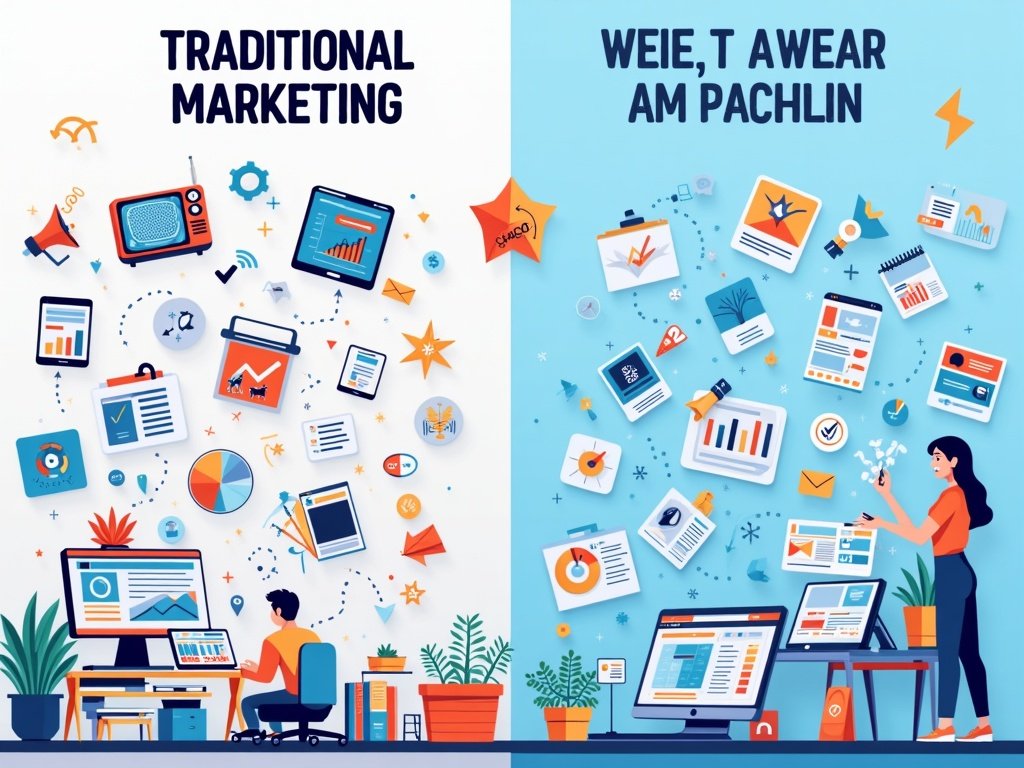
Battle of Precision: Traditional Shotgun vs Digital Sniper Approach
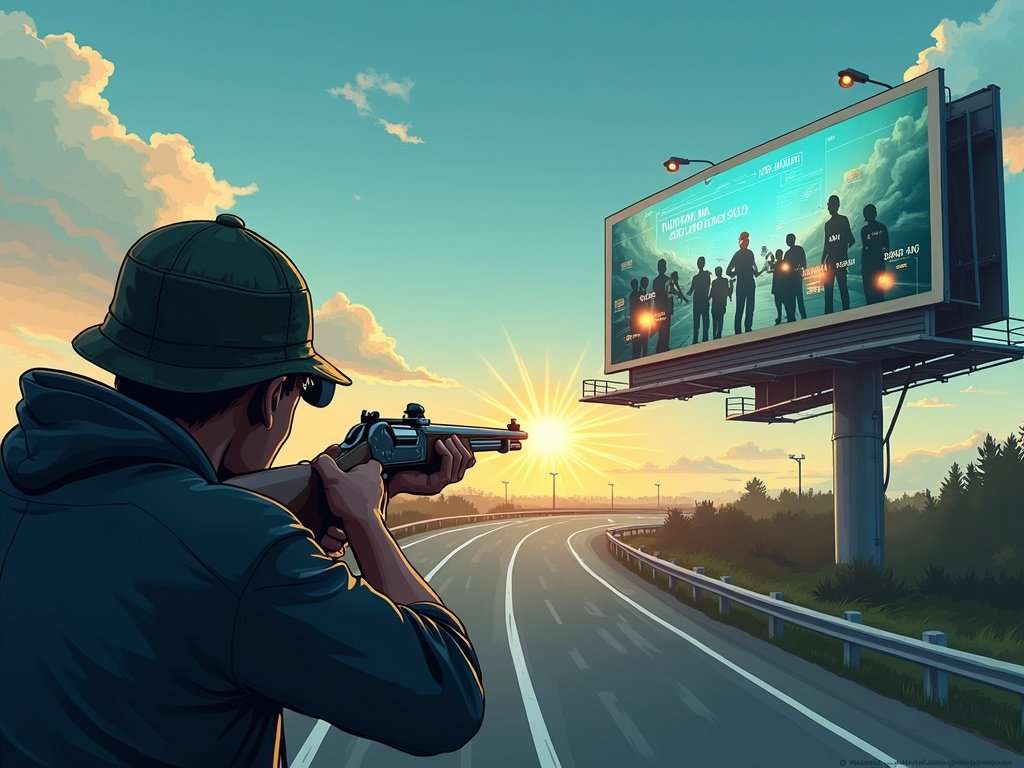
Traditional marketing spreads messages like buckshot from a shotgun, blasting wide areas and hoping to hit the right targets. I see billboards on highways reaching thousands of drivers daily, regardless of whether they need the advertised product or service. Radio commercials broadcast to entire metropolitan areas, including vegetarians who hear steakhouse advertisements and teenagers listening to retirement planning spots.
Digital marketing operates with sniper-like precision, identifying and targeting specific individuals based on detailed data profiles. Modern platforms analyze demographics, psychographics, online behavior patterns, purchase history, and predictive analytics to deliver messages directly to qualified prospects. Instagram video advertisements can target users aged 30-55 within a 10-mile radius who’ve shown interest in fine dining, dramatically improving conversion rates compared to mass media approaches.
Measurement: Guesswork vs Data-Driven Decisions
Traditional campaigns rely heavily on correlation and educated guesswork for performance measurement. Radio stations provide listener estimates, and newspapers offer circulation numbers, but connecting these metrics to actual sales remains challenging. Digital marketing delivers causation tracking, following customer journeys from first click through final purchase.
Essential Digital Metrics
Essential digital metrics provide actionable insights that traditional methods can’t match:
- Cost Per Click reveals immediate audience engagement levels
- Customer Acquisition Cost determines campaign profitability
- Lifetime Value calculations guide long-term budget allocation strategies
This granular tracking enables precise budget optimization and real-time campaign adjustments. I can shift spending from underperforming advertisements to high-converting content within hours, not months.
Dialogue: Moving Beyond Monologue
Digital platforms transform marketing from monologue into dialogue. Social media interactions, live chat systems, chatbots, and review responses create two-way conversations with prospects and customers. This interactive approach builds relationships and trust while gathering valuable feedback for content optimization strategies that traditional broadcasting simply cannot provide.
The Future Belongs to Digital-First Organizations
The marketing landscape of 2026 represents a fundamental transformation beyond simple technological advancement. This shift demands precision, personalization, and measurable engagement as the new standards for business success. Companies that commit to digital-first strategies position themselves for sustained growth in an environment where consumer expectations continue to evolve rapidly.
Organizations must invest in comprehensive technology stacks that enable real-time data collection, analysis, and response capabilities. The ability to track customer journeys across multiple touchpoints, personalize messaging at scale, and adjust campaigns based on immediate feedback has become essential for competitive advantage. Traditional marketing methods simply can’t deliver this level of responsiveness and insight.
Data-Driven Decision Making as the Cornerstone
Data-driven decision making forms the foundation of successful modern marketing strategies. Teams that prioritize analytics, customer behavior insights, and performance metrics create campaigns that deliver measurable ROI and sustainable business growth. The integration of AI-powered tools, automation platforms, and advanced analytics enables organizations to optimize their content optimization strategy continuously.
The Risks of Resistance to Digital Transformation
Companies that resist this digital transformation face significant challenges. Legacy marketing approaches lack the agility, precision, and cost-effectiveness required to compete against digitally-native competitors. The gap between traditional and digital marketing performance continues to widen, making the transition from old methods to modern approaches increasingly urgent.
The Path to Success in 2026
Success in 2026 requires embracing change, investing in technology, and building teams capable of leveraging digital tools effectively. Organizations that make these strategic commitments will dominate their markets, while those that delay face the risk of becoming irrelevant.
Frequently Asked Questions
Digital Marketing ROI and Cost Efficiency
Digital marketing delivers superior cost-effectiveness through precision targeting that reaches specific audiences rather than broadcasting to everyone. You can track every dollar spent from the first click to the final purchase, measuring exact return on investment. Real-time analytics eliminate guesswork and prevent budget waste on unmeasurable campaigns that traditional marketing can’t track effectively.
First-party data has become the cornerstone of successful marketing strategies. Over 85% of marketers now prioritize direct customer data collection as third-party cookies disappear completely. Building strong customer relationships through email lists, loyalty programs, and direct interactions provides the personalization fuel that drives conversions.
Essential technology tools form an integrated stack that powers modern marketing success:
- CRM platforms manage customer relationships
- Analytics software measures performance across all channels
- SEO tools optimize visibility
- AI content generators create personalized messaging
- Marketing automation systems coordinate touchpoints seamlessly
These technologies work together to create efficient, measurable campaigns.
Traditional advertising channels face significant effectiveness challenges in 2026. Television, radio, and print media show declining engagement rates as audiences shift digital. Limited targeting capabilities mean spending money reaching people who aren’t interested in your products. High costs combined with uncertain returns make traditional channels increasingly risky investments.
AI transforms marketing personalization by enabling hyper-targeted experiences at a massive scale. Machine learning algorithms predict customer behavior patterns and recommend relevant products automatically. Real-time personalization delivers consistent experiences across websites, emails, and social media without manual intervention. This content optimization strategy approach creates deeper customer connections while reducing manual workload significantly.