Canva has completely transformed the graphic design industry by making professional-quality design tools accessible to everyone. The platform evolved from a simple yearbook creation tool into a $40 billion global powerhouse that serves over 170 million monthly users across 190 countries. This success fundamentally changed the creative landscape by removing traditional barriers of cost, complexity, and technical expertise.
The Empowerment of Accessibility
Small business owners and educators can now create compelling visual content without advanced design knowledge. The platform achieves this through its intuitive template-driven approach and AI-powered design tools. Instead of requiring years of training or expensive software, users can produce professional results in minutes.
Impact Across Industries
The democratization of design has empowered millions of people who previously couldn’t afford professional design services. Entrepreneurs can create marketing materials, teachers can develop engaging presentations, and social media managers can produce eye-catching posts. This accessibility has leveled the playing field across industries.
Canva’s Features and Design Simplicity
Canva’s template library contains millions of designs spanning every conceivable use case. Users simply select a template, customize it with their content, and export their finished design. The drag-and-drop interface makes complex design principles automatically applicable without requiring deep understanding of typography, color theory, or composition.
AI-Powered Innovations
AI integration has further simplified the design process. Some standout features include:
- Smart suggestions that help users choose complementary colors, fonts, and layouts.
- Background removal tools that work with a single click to enhance visuals effortlessly.
- Magic Resize functionality that automatically adapts designs for different platforms and formats.
Expansion Beyond Graphics
The platform continues expanding its capabilities beyond static graphics:
- Video editing tools help users create dynamic multimedia content.
- Presentation tools offer an engaging alternative to traditional slide decks.
- Website builders, alongside the core design features, make Canva a comprehensive solution.
This comprehensive approach positions Canva as a complete creative solution rather than just a graphic design tool.
Canva’s Market Dominance and Global Reach
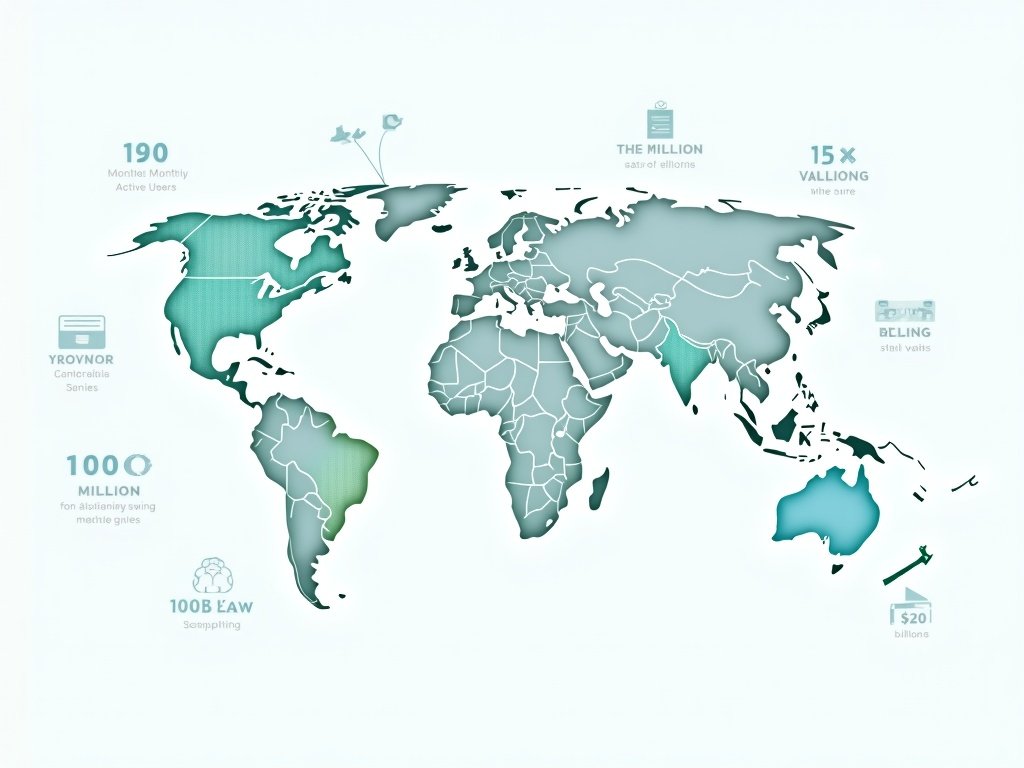
I find Canva’s growth trajectory absolutely astounding when examining the raw numbers. The platform has attracted over 170 million monthly active users across 190 countries as of late 2023, demonstrating its universal appeal and accessibility. This massive user base translates to serving almost half the population of the United States every month, showcasing the platform’s incredible penetration in the creative market.
Revenue and Valuation Milestones
Canva’s financial success mirrors its user growth, with over 15 million paying subscribers to Canva Pro and Canva for Teams. The platform reached a staggering $40 billion valuation during its 2021 funding round, positioning it among the world’s most valuable private software companies. This valuation underscores how design innovations can transform traditional industries and create massive market opportunities.
Creative Output and Platform Scale
The sheer volume of creative output on Canva speaks volumes about its impact. Users have generated over 20 billion designs using the platform, with hundreds of designs created every second. This incredible pace of creation is supported by over 130 million templates available on the platform, providing users with endless starting points for their projects. Such comprehensive template libraries enable both beginners and professionals to create compelling visual content efficiently, making professional-quality design accessible to everyone regardless of their technical expertise or content optimization background.
Canva’s Mission to Democratize Design
Canva fundamentally transformed graphic design by eliminating barriers that traditionally kept creative tools out of reach for most people. I’ve witnessed firsthand how this platform addresses three critical obstacles: prohibitive costs, intimidating learning curves, and expensive hardware requirements. Founded in 2013 by Melanie Perkins, Cliff Obrecht, and Cameron Adams, Canva began as a simple yearbook creation tool before evolving into today’s comprehensive design platform.
The platform’s genius lies in its template-driven approach rather than tool-based complexity. While traditional software requires users to master layers, blend modes, and countless technical features, Canva lets anyone select a template, drag elements into place, and download finished designs within minutes. This shift represents a fundamental change in how we approach visual creation.
Simplifying Professional Design Creation
Think of Canva as Google Docs compared to Microsoft Word’s relationship with Photoshop. Both serve similar functions, but one prioritizes accessibility and collaboration while the other focuses on advanced capabilities. This comparison highlights how Canva makes design creation as straightforward as document editing.
The platform particularly benefits organizations with limited budgets. Small businesses can now produce marketing materials, social media graphics, and presentations without hiring expensive design professionals. Non-profits create compelling campaigns using the same visual quality previously reserved for well-funded organizations.
I recommend Canva for anyone needing quick, professional results without extensive training. Its UI design innovations continue advancing accessibility while maintaining quality standards. For businesses developing broader visual strategies, consider integrating Canva with comprehensive content optimization strategies to maximize creative impact across all marketing channels.
Canva’s Impact Across Diverse User Groups
I’ve observed how Canva has transformed graphic design accessibility across multiple sectors. This platform serves everyone from complete beginners to seasoned professionals, breaking down traditional barriers that once made quality design expensive and complex.
Small business owners rely heavily on Canva’s efficiency features. The Brand Kit function helps maintain consistent logos, colors, and fonts across all materials, while the Content Planner streamlines social media scheduling. These tools eliminate the need for expensive design agencies or specialized software training.
Specialized Programs Expanding Access
Non-profit organizations benefit tremendously from Canva for Nonprofits, which provides free Canva Pro access to over 400,000 organizations worldwide. This program enables these groups to create professional fundraising materials, awareness campaigns, and event invitations without stretching their limited budgets.
Educational institutions have embraced Canva for Education extensively. Millions of teachers and students from K-12 through universities use the platform for presentations, worksheets, and interactive projects. The real-time collaboration features support group work and distance learning initiatives effectively.
Teachers find particular value in creating engaging classroom materials like lesson plans and infographics. The platform’s user-friendly interface means educators can focus on content quality rather than struggling with technical complexities.
What sets Canva apart is its democratization of design. Users can produce professional-quality content regardless of their budget constraints or technical background. This accessibility has revolutionized how organizations approach visual communication, making effective design a possibility for everyone rather than a privilege for those with extensive resources or specialized training. The platform’s success stems from understanding that good design shouldn’t require years of education or expensive software investments.
Canva vs Traditional Design Tools: Understanding the Modern Creative Ecosystem
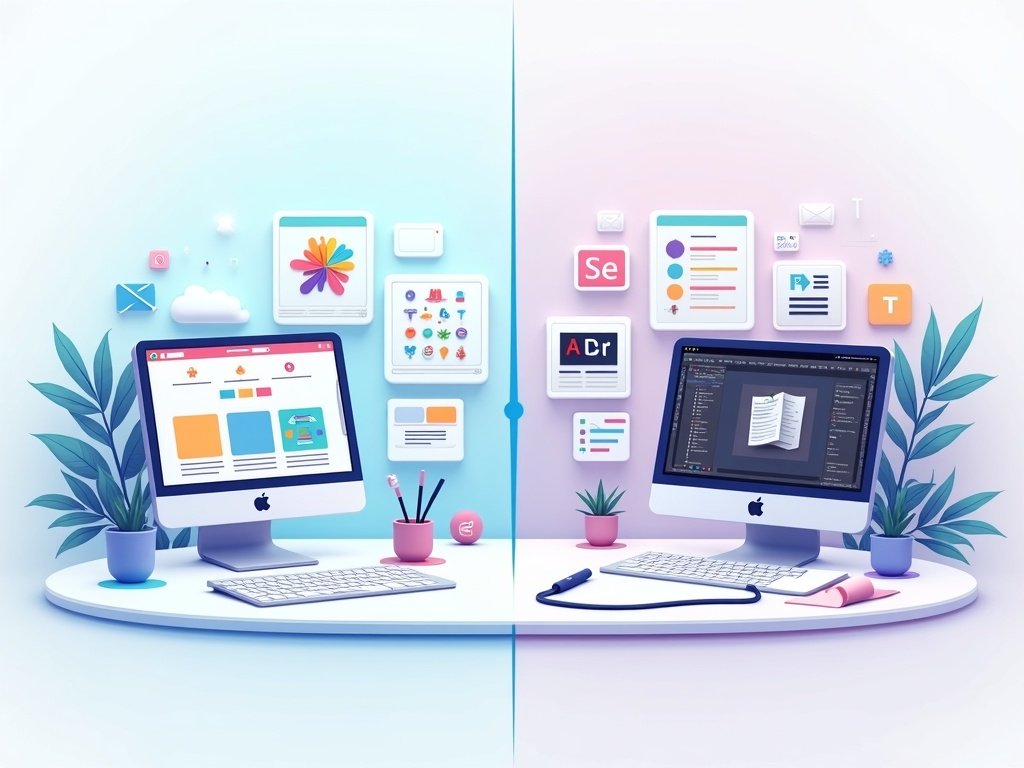
I’ve observed how Canva and traditional design software like Adobe Creative Cloud serve completely different niches in today’s creative landscape. Canva excels in accessibility and speed through its intuitive template-driven interface, while Adobe’s suite prioritizes granular control and industry-standard capabilities that professionals demand.
Key Differences in Approach and Functionality
Adobe emphasizes asset creation from scratch, giving designers complete control over every element. Canva‘s “design-as-a-service” model focuses on helping users customize pre-designed templates quickly and efficiently. This fundamental difference explains why each platform attracts different user types.
Canva has evolved significantly beyond its template origins, transforming into a comprehensive creative suite. The platform now offers advanced features including real-time collaboration, video editing capabilities, and sophisticated AI-powered tools that rival traditional software in many areas.
Advanced AI Features Reshaping Design
The Magic Studio AI suite demonstrates Canva’s commitment to innovation. Key features include:
- Magic Write for generating text content
- Magic Design for creating templates from simple prompts
- Magic Edit for modifying images using text commands
- Magic Eraser for removing unwanted objects from photos
Additional tools like Canva Brand Hub streamline asset management, while Canva Video simplifies video editing tasks. Canva Docs & Websites expand the platform’s reach into document creation and basic web development.
Many professional designers now adopt a hybrid approach, using Adobe for custom design work and leveraging content optimization strategies with Canva for marketing deployment. This combination maximizes efficiency while maintaining creative quality in our rapidly changing design landscape.
Canva’s Revolutionary Impact on Design Accessibility and the Creative Landscape
I’ve witnessed Canva transform from a simple yearbook creation tool into something far more significant – a $40 billion global platform that’s fundamentally changed how we approach graphic design. With over 170+ million users monthly, this platform has democratized professional design tools in ways I never imagined possible just a decade ago.
What sets Canva apart isn’t just its user base size. The platform’s AI-powered features have created an entirely new category: “design-as-a-service.” I can now watch complete beginners produce professional-quality graphics within minutes, something that previously required years of training and expensive software licenses.
The company’s commitment extends beyond profit margins. Their initiatives for educators and non-profits have opened design opportunities for communities that traditionally couldn’t access professional tools. I’ve seen teachers create engaging classroom materials and small nonprofits develop marketing campaigns that rival those of major organizations.
Strategic Positioning in the Design Ecosystem
Canva hasn’t replaced traditional design software entirely, and that’s by design. For highly complex projects requiring intricate vector work or advanced photo manipulation, professional tools still dominate. However, Canva has carved out the massive middle market – those everyday design needs that make up roughly 80% of graphic design requests.
I’ve observed how this positioning complements rather than competes with traditional design workflows. Many professional designers now use Canva for quick mockups or client presentations, while businesses handle routine social media graphics internally. This shift has created new opportunities for UI/UX design innovations and forced the industry to reconsider how we approach content optimization strategy across digital platforms.
The platform’s extensive toolkit continues expanding, making professional design accessible to anyone with creative vision, regardless of their technical background.
Understanding Canva’s Foundation and Global Impact
I’ve watched Canva transform the design landscape since Melanie Perkins, Cliff Obrecht, and Cameron Adams launched their platform in 2013. What started as a solution for simplifying yearbook design has evolved into a comprehensive creative powerhouse that democratizes graphic design for millions worldwide.
Canva’s Impressive User Base and Market Reach
The numbers speak volumes about Canva’s influence in the creative space. With over 170 million monthly active users spanning 190 countries, the platform has achieved remarkable global penetration. What’s particularly noteworthy is that 15 million users have chosen to upgrade to paid subscriptions through Canva Pro and Canva for Teams, demonstrating the platform’s value proposition extends beyond basic functionality.
How Canva Differs from Traditional Design Software
When comparing Canva to Adobe Photoshop, I see two distinct approaches to design creation. Canva excels at providing template-based solutions perfect for social media and marketing materials, making professional-looking designs accessible to everyone. Adobe Photoshop, conversely, offers advanced photo editing capabilities with granular control that demands specialized technical skills. This fundamental difference explains why many businesses choose Canva for quick turnarounds on marketing content.
Canva’s Magic Studio showcases the platform’s commitment to AI-powered design innovations. Features like Magic Write for AI text creation, Magic Design for template generation, Magic Edit for image modifications, and Magic Eraser for object removal streamline the creative process significantly.
The platform also demonstrates social responsibility by providing free Canva Pro access to over 400,000 nonprofits globally and supporting millions of educators through specialized educational programs.