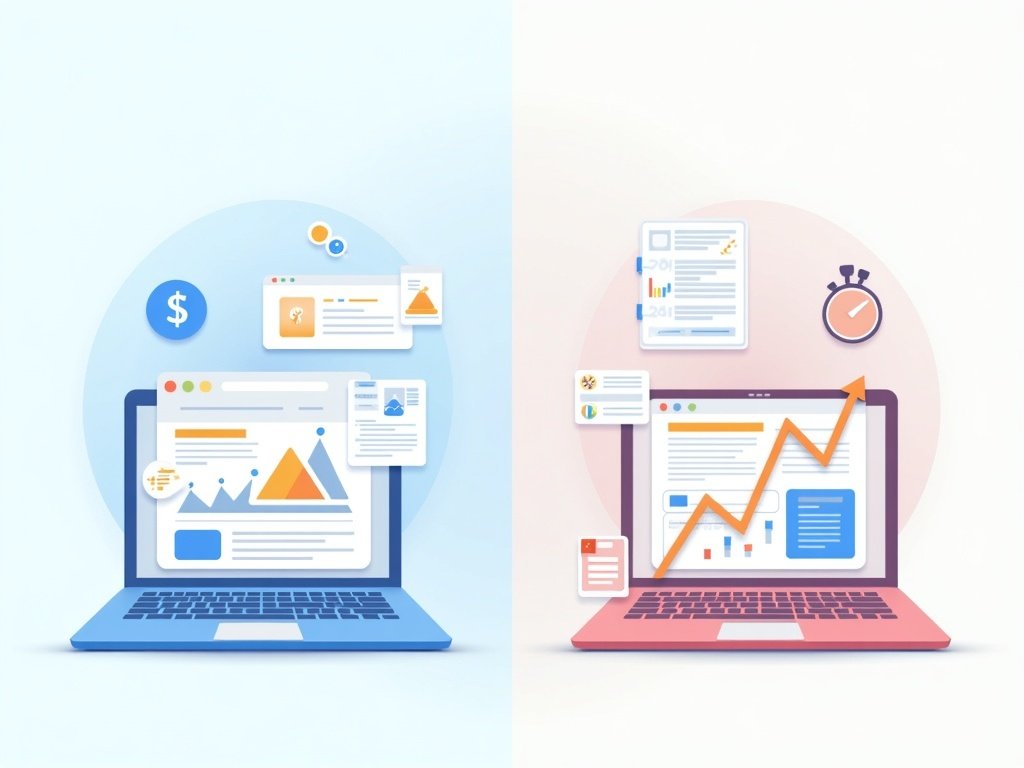
Google Ads fundamentally transforms digital marketing timelines by delivering immediate search visibility within hours, while SEO requires 4-12 months of sustained effort before generating meaningful organic traffic. I can launch targeted advertising campaigns that capture qualified leads from day one, positioning businesses at the top of search results almost instantly through paid placement rather than waiting for the gradual authority-building process that organic optimization demands.
Speed Advantage
The speed advantage becomes even more apparent when comparing campaign deployment strategies. I initiate Google Ads campaigns within a single day, complete with keyword targeting, ad copy, and budget allocation. Search engines display these advertisements immediately after approval, typically within 2-4 hours. SEO campaigns, conversely, require extensive keyword research, content creation, technical optimization, and link-building initiatives that span multiple months before search engines recognize and rank the improvements.
Financial Investment Comparisons
Financial investment patterns differ drastically between these approaches:
- Google Ads: Operates on a pay-per-click model where I control daily spending limits and adjust budgets in real-time based on performance metrics, providing predictable cost structures and immediate return on investment calculations.
- SEO: Investments focus on long-term content development, technical improvements, and ongoing optimization efforts that compound over time but lack the immediate cost-per-acquisition clarity that paid advertising offers.
Targeting Precision
Targeting precision represents another fundamental distinction:
- Google Ads: Campaigns are configured with granular demographic filters, geographic boundaries, device preferences, and behavioral triggers that activate within minutes of implementation. These campaigns reach specific audience segments at the exact moment they search for relevant products or services.
- SEO: Targets broader keyword themes and relies on search engine algorithms to match content with user intent, creating less precise audience targeting capabilities.
Performance Measurement Differences
Performance measurement timelines reflect these differences:
- Google Ads: Provides real-time analytics showing impressions, clicks, conversions, and cost-per-acquisition data within hours of campaign launch. Performance metrics can be monitored and optimized throughout the day.
- SEO: Performance tracking requires weeks or months to gather meaningful data about ranking improvements, organic traffic growth, and conversion attribution from search engine visitors.
Market Competition Dynamics
Market competition dynamics shift dramatically based on the chosen approach:
- Google Ads: Campaigns compete in real-time auctions where bid amounts, quality scores, and ad relevance determine placement. Strategies can be adjusted instantly by modifying bids, improving ad copy, or expanding keyword lists.
- SEO: Involves long-term content quality battles, domain authority building, and technical optimization races that unfold over extended periods without immediate competitive responses.
Scalability Factors
Scalability factors reveal distinct operational considerations:
- Google Ads: Scaling campaigns is as simple as increasing budgets, expanding keyword lists, or launching additional ad groups within minutes of identifying growth opportunities to produce immediate traffic increases.
- SEO: Scaling involves content production increases, technical infrastructure improvements, and link-building expansion, requiring sustained resource allocation before generating proportional traffic growth.
Risk Management Approaches
Risk management varies significantly:
- Google Ads: Campaigns face immediate financial risks if poorly managed, but I can pause campaigns, adjust budgets, or modify targeting parameters within seconds to control losses.
- SEO: Investments carry long-term risks related to algorithm changes, competitive pressure, and market shifts, which may not become apparent for months after initial optimization efforts.
Integration Strategies
Integration strategies maximize effectiveness by combining both approaches:
- Google Ads: Used for immediate visibility and capturing short-term revenue opportunities through paid advertising.
- SEO: Develops long-term organic traffic sources to reduce advertising dependency over time.
Final Thoughts
The timeline transformation that Google Ads provides makes it an essential component for businesses requiring immediate market entry, product launches, or competitive responses. While SEO builds lasting digital assets, Google Ads delivers the speed and control necessary for dynamic business environments.
Why Google Ads Can Launch Your Business to the Top of Search Results in Hours
Google Ads campaigns transform your visibility faster than any organic strategy ever could. I can create and launch a campaign within hours, positioning your business at the top of Google search results almost instantly for targeted keywords.
The ad approval process typically takes less than one business day, often completing within just a few hours. This means your campaign can go from concept to live status in a single afternoon. You’ll bypass the months or even years it takes for new websites or pages to rank organically for competitive terms.
Immediate Traffic Capture
The top three paid ad positions on Google’s search results page capture approximately 41% of all clicks. This statistic reveals the massive traffic potential available from day one of your campaign launch. While competitors wait for their SEO efforts to gain traction, you’re already capturing qualified leads.
Real-Time Campaign Control
Control becomes immediate once your ads go live. I can pause, activate, or adjust campaigns in real-time based on performance data. This gives your business unparalleled agility to respond to market changes or capitalize on trending opportunities.
Unlike SEO strategies that require patience and long-term commitment, Google Ads delivers measurable results within hours. You’ll see exactly which keywords generate clicks, conversions, and revenue. This data allows for instant optimization decisions that improve performance continuously.
The speed advantage extends beyond just getting started. Campaign modifications take effect immediately, whether adjusting bids, changing ad copy, or targeting new audiences. This flexibility ensures your advertising budget works efficiently while you develop a comprehensive content optimization strategy for long-term growth.
Google Ads essentially rents you premium real estate at the top of search results, delivering immediate visibility that organic methods simply cannot match in timeframe.

Precision Targeting and Rapid Testing Capabilities That SEO Cannot Match
Google Ads delivers targeting precision that organic SEO simply can’t replicate. You can reach specific demographics, pinpoint geographic locations down to individual ZIP codes, and target users based on interests, device preferences, and past online behavior through remarketing campaigns. This granular control allows you to connect with your ideal customers at exactly the right moment, rather than hoping they’ll discover your content organically.
Lightning-Fast Testing and Optimization
The platform’s rapid A/B testing capabilities set it apart from the slower nature of SEO optimization. You can run multiple versions of ad copy, test different landing pages, or experiment with various calls-to-action simultaneously. Results become clear within days, not the months typically required for content optimization strategies to show meaningful data.
Here’s what makes Google Ads testing so effective:
- Immediate performance feedback on different messaging approaches
- Real-time budget allocation to top-performing variations
- Instant pausing of underperforming ads to prevent wasted spend
- Quick iteration cycles that compound improvements rapidly
Remarketing demonstrates this targeting power perfectly. Website visitors who see retargeted display ads convert at 70% higher rates than new visitors, proving the value of reaching users who’ve already shown interest in your offerings. This targeted approach generates substantial returns – businesses typically earn $2 in revenue for every $1 spent on Google Ads according to Google Economic Impact data.
While SEO requires patience for algorithm changes and content indexing, Google Ads puts control directly in your hands. You can launch campaigns targeting specific customer segments within hours, adjust messaging based on performance data, and scale successful approaches immediately. This responsiveness makes paid advertising an essential component for businesses needing quick market entry or rapid growth.

The Reality of SEO: A 4-12 Month Journey to Organic Visibility
SEO demands patience and sustained commitment before delivering meaningful results. While Google Ads can generate traffic immediately, organic search optimization requires 4 to 12 months of consistent effort before you’ll see significant traction on competitive keywords. This timeline isn’t arbitrary—it reflects how search engines evaluate and trust websites.
Building organic visibility involves multiple interconnected elements that must work together harmoniously. You need to consistently create high-quality content that serves your audience’s needs, develop authoritative backlinks from reputable sources, maintain flawless technical SEO, and adapt to Google’s frequent algorithm updates. Each component requires time to demonstrate value to search engines.
The Numbers Tell the Story
The statistics paint a clear picture of SEO’s challenging timeline. According to an Ahrefs study, only 5.7% of newly published pages will rank in the top 10 search results within a year for at least one keyword. This data emphasizes why SEO isn’t a quick fix—it’s a strategic investment that builds authority gradually.
Google evaluates websites using over 200 ranking factors, each contributing to your site’s overall trustworthiness and relevance. Unlike Google Ads’ immediate on/off functionality, SEO results develop momentum through sustained optimization efforts. Your content optimization strategy must address technical elements, user experience, and content quality simultaneously.
Long-Term Benefits vs. Immediate Gratification
Though SEO’s timeline extends months rather than days, the payoff justifies the wait. Once your site establishes authority and rankings, organic traffic becomes more stable and cost-effective than paid advertising. The compound effect of well-executed SEO creates lasting value that continues generating results long after the initial investment.

Creating a Synergistic Strategy: Using Google Ads Data to Accelerate SEO Success
The smartest digital marketers don’t choose between Google Ads and SEO—they combine both for maximum impact. This integrated approach creates a powerful feedback loop where each channel strengthens the other.
Leveraging Paid Data for Organic Growth
Google Ads delivers instant traffic and conversion data that becomes invaluable for SEO strategy. I can test keywords through paid campaigns to identify high-converting terms before investing months in organic ranking efforts. This data reveals which keywords actually drive revenue, not just traffic, allowing me to prioritize SEO efforts on terms that matter most.
Running ads also boosts brand recognition, which translates to higher click-through rates on organic listings once they start ranking. Users who’ve seen your brand through paid ads are more likely to click your organic results, creating a compounding effect.
Tools for Integrated Success
Several tools make this synergy possible:
- Google Ads Keyword Planner provides search volume and competition data for SEO targeting.
- SEMrush and Ahrefs offer comprehensive keyword research across both channels.
- Google Analytics tracks the complete user journey when linked with Google Ads accounts.
- Google Search Console reveals organic performance metrics.
- Google Ads Editor, Optmyzr, and WordStream streamline PPC management.
Linking Google Ads and Analytics accounts gives me a complete view of how paid channels influence organic behavior. I can see which ad campaigns drive users who later convert through organic channels, helping optimize my content optimization strategy based on proven user interests.
Conclusion
Google Ads stands as the clear winner when speed matters most in digital marketing. I can achieve top-page placement within hours rather than waiting months for SEO results to materialize. This immediate visibility proves invaluable for businesses launching new products, entering competitive markets, or running time-sensitive campaigns.
The precision targeting capabilities of Google Ads allow me to reach exactly the right audience at the optimal moment. I can adjust budgets, modify ad copy, and refine targeting parameters in real-time based on performance data. This level of control and flexibility simply doesn’t exist with SEO, where changes take weeks or months to show impact.
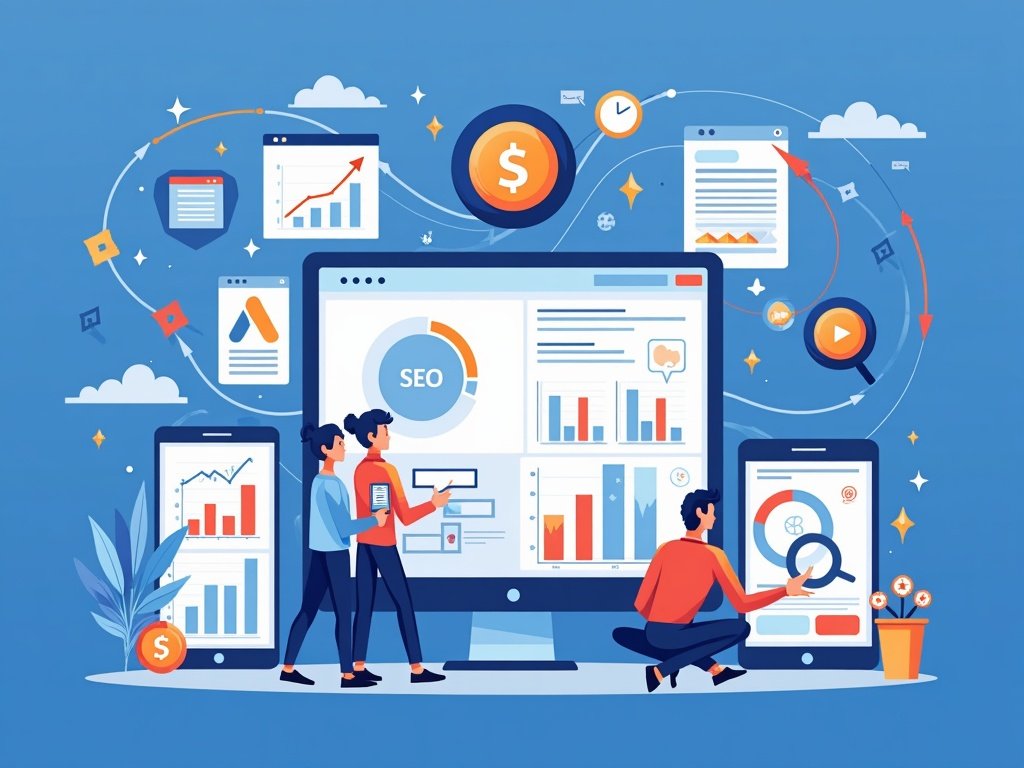
However, smart marketers don’t view this as an either-or decision. The most effective approach combines both strategies for maximum impact. Google Ads provides immediate traffic and valuable keyword performance data that I can use to inform my content optimization strategy. Meanwhile, SEO builds the foundation for sustainable, long-term organic growth.
Google Ads excels at filling the gap while SEO efforts gain momentum. I can capture market share immediately through paid ads while simultaneously building organic authority that will reduce my reliance on paid traffic over time. The keyword insights, conversion data, and audience behavior patterns from Google Ads campaigns become powerful intelligence for optimizing my SEO strategy.
For businesses needing immediate results, Google Ads delivers unmatched speed and precision. While SEO remains essential for long-term success, Google Ads provides the rapid market entry and quick wins that modern businesses require to stay competitive in today’s digital landscape.

Frequently Asked Questions
Common Questions About Google Ads vs. SEO Implementation
How quickly can Google Ads start driving traffic to our website?
Google Ads can begin driving traffic within hours of campaign launch. Once ads are approved, which typically takes less than one business day, they can immediately appear at the top of search results for targeted keywords. This immediate visibility makes Google Ads an excellent choice for businesses needing quick results.
What is the average return on investment for Google Ads campaigns?
According to Google Economic Impact data, businesses earn an average of $2 in revenue for every $1 they spend on Google Ads, though results vary significantly based on industry, competition, and campaign optimization. Success depends heavily on proper campaign setup and ongoing management.
Can we run Google Ads and SEO strategies simultaneously?
Yes, running Google Ads and SEO together creates a synergistic effect. Google Ads provides immediate data on keyword performance that can inform SEO strategy, while SEO builds long-term authority that can improve overall brand recognition and organic click-through rates. This combined approach maximizes your digital presence.
Why does SEO take so much longer to show results compared to Google Ads?
SEO requires time because Google’s algorithms evaluate over 200 ranking factors to determine trustworthiness and authority. Building quality backlinks, creating authoritative content, and establishing domain credibility is a gradual process that typically takes 4-12 months for competitive keywords. Implementing a solid content optimization strategy can help accelerate these results.
Which approach is more cost-effective in the long term?
While Google Ads requires ongoing payment for continued visibility, SEO becomes more cost-effective over time as organic rankings compound and provide sustained traffic without per-click costs. The most effective approach often combines both strategies based on business goals and timeline requirements.