Modern content creation faces a critical bottleneck where businesses need high-volume, consistent blog content but lack the resources to scale traditional writing processes effectively. I’ve developed AI-powered automation workflows using Make and n8n that transform blog post generation from a time-intensive manual process into a streamlined system capable of producing publication-ready drafts in under five minutes.
The Content Creation Crisis
Traditional blog writing demands extensive research, outlining, drafting, and editing phases. Each post typically requires 3-6 hours of focused work from skilled writers. Small businesses and growing companies struggle to maintain consistent publishing schedules while managing other priorities.
Manual processes create additional challenges:
- Inconsistent tone and style across different writers
- Delayed publication schedules during busy periods
- Higher costs per published piece
- Limited scalability during growth phases
AI Workflow Architecture
I construct these automation systems using two primary platforms that excel at different aspects of content generation.
Make Integration Strategy
Make serves as the orchestration layer for complex content workflows. I configure triggers that activate based on:
- Editorial calendar schedules
- Keyword opportunity alerts
- Competitive content analysis
- Topic research completion
The platform connects multiple AI services seamlessly. OpenAI handles initial draft generation while Claude refines structure and readability. Grammarly integration ensures grammatical accuracy before final output.
n8n Advanced Workflows
n8n provides more granular control over conditional logic and data processing. I implement sophisticated decision trees that:
- Analyze topic complexity and adjust research depth
- Select appropriate writing templates based on content type
- Route drafts through different editing pathways
- Generate multiple variations for A/B testing
The self-hosted nature of n8n gives complete control over data handling and custom node development.
Implementation Components
Research and Data Gathering
Automated research begins with keyword analysis and competitor content scanning. I integrate tools like SEMrush and Ahrefs APIs to identify content gaps and optimization opportunities.
The system processes:
- Top-performing competitor articles
- Related keyword clusters
- Current trending topics
- Industry-specific terminology
This foundation ensures each generated piece addresses actual search demand and market needs.
Content Structure Generation
I employ prompt engineering techniques that create consistent article frameworks. Template libraries store proven structures for different content types:
- How-to guides with numbered steps
- Comparison articles with feature matrices
- Industry insights with data-driven conclusions
- Product reviews with standardized evaluation criteria
Each template includes specific instructions for tone, length, and formatting requirements.
Quality Control Mechanisms
Multiple validation layers prevent substandard content from reaching publication stages. I implement:
- Fact-checking against reliable source databases
- Plagiarism detection through Copyscape API integration
- Readability scoring using Flesch-Kincaid metrics
- SEO optimization verification
Failed quality checks trigger manual review queues rather than automatic publication.
Optimization Strategies
Prompt Engineering Excellence
Effective prompts make the difference between generic AI output and publication-ready content. I craft detailed instructions that include:
- Target audience specifications
- Desired expertise level demonstrations
- Brand voice characteristics
- Specific formatting requirements
Regular prompt testing and refinement improve output quality over time.
Performance Monitoring
I track key metrics to optimize workflow efficiency:
- Generation time per article
- Edit requirements before publication
- Engagement rates on published pieces
- SEO performance improvements
These insights drive continuous system improvements and help identify bottlenecks.
Customization Capabilities
Different businesses require different approaches. I adapt workflows for:
- B2B technical content with industry jargon
- Consumer-focused pieces with conversational tones
- News-style articles with tight publication deadlines
- Long-form educational content with research citations
Flexibility ensures relevance across various sectors and content strategies.
Cost-Benefit Analysis
Traditional content creation costs range from $100-500 per article when accounting for research, writing, and editing time. Automated workflows reduce this to $5-15 per piece while maintaining comparable quality standards.
Time savings prove equally significant. Manual processes requiring 4-6 hours compress to 5-15 minutes of review and approval time. This efficiency enables businesses to maintain consistent publishing schedules without expanding writing teams.
Implementation Best Practices
Initial Setup Considerations
Start with simple workflows before adding complexity. I recommend beginning with:
- Single content type automation
- Limited quality control layers
- Manual approval for the first 50 pieces
- Gradual expansion to additional formats
This approach builds confidence while identifying optimization opportunities.
Integration Requirements
Successful implementation requires proper API connections and data flow management. Essential integrations include:
- Content management systems for automatic publishing
- Analytics platforms for performance tracking
- SEO tools for optimization verification
- Brand asset libraries for consistent styling
Maintenance Protocols
Regular system maintenance ensures continued performance. I establish:
- Weekly prompt optimization reviews
- Monthly quality metric assessments
- Quarterly workflow efficiency audits
- Continuous API connection monitoring
Proactive maintenance prevents degraded output quality and system failures.
Advanced Features
Multi-Language Content Generation
Global businesses benefit from automated translation and localization workflows. I integrate Google Translate API with cultural adaptation prompts to create region-specific content variations.
Dynamic Content Updates
Real-time data integration enables automatic content updates. Stock prices, weather information, and industry statistics refresh automatically within published articles.
Personalization Engines
Advanced workflows generate personalized content variations based on audience segments. Different versions address specific industry verticals or experience levels within the same topic area.
Content automation through Make and n8n transforms how businesses approach blog creation. Proper implementation delivers consistent, high-quality content at a fraction of traditional costs while enabling unprecedented scaling capabilities. Success requires careful planning, systematic optimization, and ongoing refinement of automated processes.
Building Your Content Generation Engine with AI Automation
Content marketing drives digital success, but traditional creation methods drain time and resources. I’ve discovered that combining powerful Large Language Models like GPT-4 with automation platforms transforms how we approach content production.
The manual process of crafting a well-researched blog post typically consumes 4 to 8 hours. Automated workflows slash this to under 5 minutes for comprehensive first drafts. This dramatic shift doesn’t eliminate human creativity—it amplifies it by handling baseline content generation.
How No-Code Platforms Transform Content Creation
Make and n8n serve as digital connectors, linking various applications through APIs without requiring code. These platforms create sophisticated workflows that:
- Trigger content generation based on specific keywords or topics
- Pull research data from multiple sources automatically
- Generate structured blog outlines and first drafts
- Distribute content across various publishing platforms
- Track performance metrics for continuous optimization
The magic happens when you configure these workflows to maintain your brand voice while scaling content production. Low-code platforms eliminate technical barriers, making advanced automation accessible to marketers and content teams.
Human editors can then focus on strategic elements: adding unique insights, refining messaging, and ensuring brand alignment. This approach increases content velocity while maintaining quality standards. The result is a content optimization strategy that scales with your business needs.
Smart automation doesn’t replace creativity—it creates space for it. When baseline content generation runs automatically, teams invest energy in strategic thinking, audience analysis, and innovative approaches that truly differentiate their brand.

Essential Components for AI Blog Generation
Building an effective AI-powered blog generation system requires five core components that work together seamlessly. Each element plays a critical role in transforming your content ideas into published articles with minimal manual intervention.
Automation Platform Selection
The automation platform serves as your workflow’s command center, orchestrating every step of the content creation process. Low-code platforms like Make (formerly Integromat) and n8n provide the visual interface and logic needed to connect all system components. These platforms handle trigger events, data processing, and API communications between different services.
AI Model Integration and Cost Structure
The AI language model forms the creative brain of your system. OpenAI’s API, featuring GPT-4 or GPT-3.5-Turbo models, delivers exceptional results for structured content creation. GPT-4 models excel at processing complex instructions and maintaining context across multiple article sections, making them perfect for comprehensive blog posts.
For visual content, AI image generators like OpenAI’s DALL-E 3 create unique headers and inline graphics. Alternative options include Midjourney or Stable Diffusion through their respective APIs, though integration complexity varies.
Your content hub acts as the trigger mechanism – typically a Google Sheets document or Airtable database containing article topics, keywords, and publishing schedules. This centralized approach allows for batch processing and content calendar management.
The final component connects to your publishing platform, whether WordPress, Ghost, or Webflow. API integration enables direct content posting with proper formatting and metadata.
Cost efficiency remains a significant advantage. Generating a 1,500-word article using GPT-4 costs approximately $0.50-$1.00, while DALL-E 3 images cost just $0.04-$0.08 each. This makes automated content creation highly scalable for businesses looking to enhance their content optimization strategy without breaking budgets.

Building Your Blog Post Generation Workflow
Creating an automated blog post generation system requires a structured approach that breaks down the writing process into manageable steps. I’ll walk you through building this workflow using either Make or n8n platforms.
Setting Up the Foundation
The process starts with a trigger mechanism in Google Sheets or Airtable. When you add a new row containing your target keyword or blog post title, the automation springs into action. In Make, you’ll use the Google Sheets Watch Rows trigger, while n8n employs the Google Sheets Trigger node to monitor for new entries.
Next, your keyword gets sent to the OpenAI API with a carefully crafted prompt requesting a structured outline. The AI returns organized headings (H2s and H3s) that form your content blueprint. This step ensures your blog posts maintain a logical flow and comprehensive coverage.
Content Generation and Assembly
The workflow enters an iterative phase where each heading becomes a separate content generation task. Make’s Flow Control Iterator tool and n8n’s Split in Batches node process each outline section individually. During each loop, the system makes fresh API calls to OpenAI, requesting detailed content for specific sections.
While content is being generated, DALL-E 3 creates a relevant header image using your blog title as inspiration. The API returns an image URL that becomes your featured visual element.
The final assembly phase combines all generated text sections into cohesive HTML content. Your automation platform connects to WordPress (or your preferred CMS) through its API, creating a new draft post with the title, body content, and featured image automatically populated.
This approach leverages low-code platforms to streamline content creation while maintaining quality standards. The system produces publication-ready drafts that need minimal human editing before going live.
Make vs n8n: Choosing the Right Platform for AI Blog Generation
Platform Features and Interface
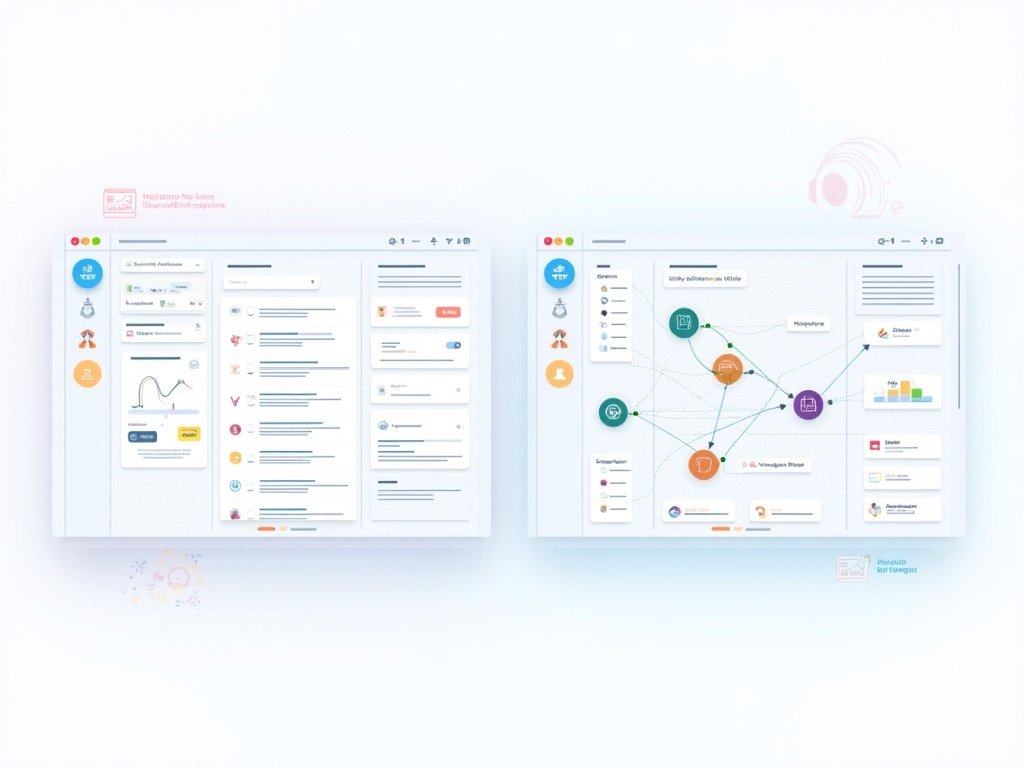
Make stands out with its highly intuitive visual interface that makes automation accessible to everyone. I’ve found its library of over 1,000 pre-built app connectors particularly valuable when connecting AI models to content management systems. The platform excels at rapid prototyping and suits beginners perfectly.
n8n takes a different approach as an open-source platform with self-hosting capabilities. While the learning curve is slightly steeper, its node-based interface provides exceptional power for complex logic operations. The ability to self-host gives you complete data privacy control and potentially significant cost savings at scale.
Pricing Structure and Scalability
Understanding the cost implications helps determine which platform fits your budget. Make’s free tier provides 1,000 operations monthly, with paid plans scaling this number substantially. However, a complex blog generation workflow typically consumes 50-100 operations per execution, which accumulates costs quickly with frequent posting schedules.
n8n’s self-hosting advantage becomes apparent when running high-volume workflows. You’re only limited by your server’s capacity rather than per-operation fees, enabling thousands of workflow executions without additional platform charges. Keep in mind that API costs from OpenAI still apply regardless of your chosen platform.
Both platforms integrate seamlessly with low-code development approaches, making them excellent choices for modern content optimization strategies.
Transforming Content Economics with AI-Powered Automation
Implementing AI automation for blog content creation fundamentally reshapes the economics of content production. A human-written 1,500-word article typically costs between $150-$500+, while generating the same length draft through AI APIs costs under $2. This dramatic cost reduction enables teams to allocate resources more strategically across their content operations.
Scaling Content Production Without Expanding Team Size
Content teams can increase their output from 4 articles monthly to 20+ articles with identical team sizes by shifting the primary bottleneck from writing to editing and strategy. The low-code platforms like Make and n8n make this transition smooth by automating the initial draft generation process.
AI maintains consistent tone, style, and format across numerous articles simultaneously – a critical factor for preserving brand identity. This consistency becomes particularly valuable when scaling content for SEO purposes, allowing teams to target long-tail keywords that would be economically impossible to pursue through manual writing alone.
By automating first-draft creation, content teams can reallocate over 80% of their writing time to higher-value activities like conducting original research, scheduling expert interviews, and developing promotional strategies. Consider the mathematics:
- Producing 20 articles monthly through freelance writers might cost $4,000 at $200 per article.
- The equivalent AI-generated drafts cost less than $40 in API fees.
This substantial cost saving frees up the budget for skilled human editors to refine and enhance the content. This approach combines the efficiency of automation with the nuanced expertise that human editors provide, creating a content optimization strategy that maximizes both quality and quantity.

How AI Integration with Make and n8n Transforms Content Creation Workflows
The integration of AI and automation platforms represents a fundamental shift in content creation workflows. By leveraging low-code platforms like Make or n8n with OpenAI’s powerful language models, content production can be transformed from a labor-intensive process into a streamlined, scalable operation.
This approach doesn’t eliminate the need for human expertise but rather amplifies it. Content teams can focus on strategy, quality refinement, and creative direction while AI handles the heavy lifting of first-draft creation. The automation workflow connects seamlessly with content management systems, scheduling tools, and distribution channels.
Key Benefits of AI-Powered Content Automation
The combination of Make or n8n with AI language models delivers several advantages for content creation:
- Consistent output quality across multiple pieces
- Reduced time from concept to published content
- Scalable content production without proportional staff increases
- Standardized formatting and style adherence
- Automatic integration with existing publishing workflows
Make and n8n both offer robust integrations with OpenAI’s API, allowing the creation of sophisticated workflows that trigger content generation based on specific events or schedules. These platforms handle the technical complexity of API calls, error handling, and data transformation, making AI content generation accessible without extensive programming knowledge.
The workflow typically begins with input parameters such as topic keywords, target audience, or content type. The automation then processes these inputs through AI models, applies formatting rules, and delivers polished drafts ready for human review. This systematic approach ensures consistency while maintaining the flexibility to adapt content for different platforms and audiences.
Content optimization strategies become more effective when combined with automated generation, creating a comprehensive system that produces and refines content at scale.

Common Questions About AI Blog Automation Setup
Setting up an AI-powered blog automation system raises several practical concerns for business owners and content managers. Below are the most frequently asked questions about implementing these workflows.
Setup Time and Technical Requirements
I find that most teams can establish a basic workflow within 4-6 hours when they have clear objectives and proper planning. More sophisticated workflows handling multiple content types typically require 1-2 days for initial setup and testing. The time investment depends heavily on your familiarity with low-code platforms and the complexity of your content requirements.
Costs and Ongoing Expenses
Cost considerations include several components:
- API usage: Typically runs $0.50-$1.00 per 1,500-word article when using OpenAI.
- Platform subscription fees: Start at $9/month for Make, while n8n offers self-hosting options.
- Human editing time: For quality assurance and content polishing.
These ongoing expenses remain relatively predictable and scale with your content volume.
Search Engine Performance
Search engine performance depends significantly on your approach to optimization. AI-generated content can achieve strong rankings when combined with proper SEO research, keyword integration, and human editing for accuracy. The secret lies in treating AI output as a high-quality first draft rather than finished content.
Brand Voice Consistency
Brand voice consistency requires detailed prompts containing your specific voice guidelines, tone specifications, and style requirements. Creating a comprehensive prompt template with your brand’s writing standards ensures uniform output across all generated pieces.
Content Versatility
Content versatility extends far beyond blog posts. The same fundamental workflow adapts easily for social media posts, email newsletters, product descriptions, case studies, and other formats by modifying prompts and output formatting. This flexibility makes these systems valuable for comprehensive content optimization strategies.