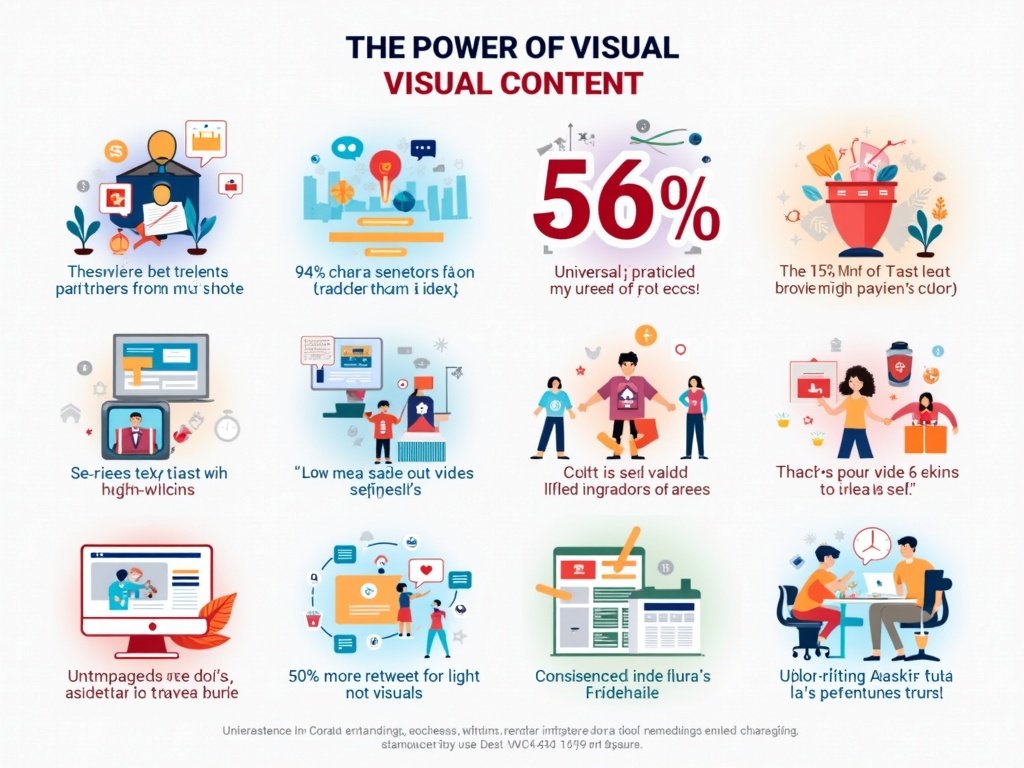
Strategic social media graphics design takes advantage of the brain’s natural ability to process visual content 60,000 times faster than text. This enables businesses to create immediate emotional connections and experience measurable increases in audience engagement.
Key Takeaways
- Visual content generates 2.3 times more engagement on Facebook and 150% more retweets on Twitter compared to text-only posts, with graphics receiving 94% more views overall.
- People retain 65% of visual information after three days versus only 10% of written content, making graphics essential memory anchors for brand messaging.
- Consistency in visual branding across social platforms can increase revenue by up to 33% and improve brand recognition by 80% through strategic use of color psychology and unified design elements.
- Free design tools like Canva, Adobe Express, Unsplash, and Pexels make professional-quality graphics accessible to businesses of all sizes.
- Infographics can drive a 12% increase in web traffic by simplifying complex data into shareable, scannable visual stories that extend organic brand reach.
Social media graphics act like digital storefront windows, capturing attention within milliseconds. Users decide within moments whether to engage or scroll past. Consistent visual branding builds psychological anchors, helping audiences recognize content instantly, even before reading headlines or captions.
Color Psychology and Visual Impact
Colors play a significant role in influencing emotions and user behavior on social media.
Recommended Brand Palette
- Blue: Conveys trust and professionalism, ideal for B2B content.
- Red: Exudes urgency and excitement, perfect for sales promotions.
- Green: Represents growth and health, fitting for wellness brands.
Develop a cohesive brand palette with 3-5 core colors and consistently use them across platforms for maximum impact.
Typography and Design Principles
Typography Tips
- Use sans-serif fonts like Helvetica or Open Sans for better readability on mobile screens.
- Incorporate script fonts sparingly to add character.
- Limit graphics to two font families to ensure clarity and trust.
Design Principles
- Apply the rule of thirds for a balanced, visually appealing composition.
- Incorporate at least 20% white space to prevent graphic clutter and create a sense of ease.
Platform-Specific Optimization
Different social media platforms favor specific graphic dimensions:
- Instagram: 1080×1080 pixels for posts, 1080×1920 pixels for Stories.
- Facebook: 1200×630 pixels for shared links, 1080×1080 pixels for posts.
- LinkedIn: 1200×627 pixels for articles, 1080×1080 pixels for updates.
- Twitter: 1200×675 pixels for maximum impact.
Free Design Tools and Stock Photo Resources
Popular Free Tools
- Canva: Offers an intuitive drag-and-drop interface with template options.
- Adobe Express: Provides advanced editing tools without subscription fees.
- Figma: Excels as a collaborative tool for team projects.
- GIMP: Allows advanced photo editing free of cost.
Stock Photo Resources
- Unsplash: Known for high-quality photos with flexible licensing.
- Pexels: Supplies both photos and videos for an extensive library of options.
- Pixabay: Includes illustrations and vector graphics.
Always check licensing terms for commercial use, though original photos generally resonate better with audiences for authenticity.
Template Systems and A/B Testing
Streamline your processes and improve outcomes with template systems and A/B testing.
Template Systems
- Create 5-10 templates tailored to content types (e.g., promotional posts, behind-the-scenes features). These templates should include consistent fonts, colors, and layouts.
- Templates allow for quick modifications while maintaining a cohesive look.
A/B Testing
- Experiment with color combinations and track engagement rates.
- Test different font styles to see which improves readability.
- Compare visual styles, such as photography versus illustrations, for audience preference insights.
Additional Best Practices
Seasonal and User-Generated Content
- Customize content for holidays or significant seasons to emotionally connect with your audience.
- Utilize user-generated content by resharing customer images with thoughtful branding.
Brand Story Graphics
- Use graphics to share behind-the-scenes stories or highlight brand milestones to humanize your business and encourage engagement.
Animation
- Add simple animations like text transitions or subtle movements for attention-grabbing visuals without distraction.
Maintaining Consistency and Future-Proofing
Effective brands invest in guidelines and performance monitoring to ensure alignment:
Brand Guidelines
- Create style guides outlining color palettes, typography, spacing, and image styles for a unified look.
- Share these guidelines with all content creators to avoid inconsistencies.
Performance Analytics
- Track metrics like engagement and click-through rates to identify successful strategies.
- Regular audits help eliminate outdated elements and keep visuals fresh.
Professional graphic design investment, whether through freelancers, agencies, or in-house talent, creates scalable solutions. Businesses that prioritize strategic design elevate their branding and engagement beyond competitors.
The Science Behind Visual Processing: Why Your Brain Craves Graphics
I’ve witnessed firsthand how businesses transform their social media presence when they understand the raw power of visual content. The human brain processes images 60,000 times faster than text, creating an instant pathway to audience engagement that written content simply can’t match.
Your brain handles visual information through a remarkably efficient system. While text requires conscious decoding and interpretation, visuals get processed almost instantaneously. This biological advantage explains why 90% of all information transmitted to your brain is visual – you’re literally wired to respond to graphics first.
The Retention Revolution
The numbers tell a compelling story about visual memory. Research shows that people retain 65% of visual content they encounter almost three days later, compared to just 10% of written content. This dramatic difference stems from how your brain stores visual versus textual information.
When you see a well-designed social media graphic, it creates immediate emotional connections that text struggles to achieve. This emotional response triggers stronger memory formation, making your brand more likely to stick in potential customers’ minds.
- Content with relevant images receives 94% more views than content without visuals.
This isn’t just correlation – it’s your audience’s natural preference in action. Your followers scroll through feeds rapidly, and graphics stop that scroll in ways text alone cannot.
I recommend leveraging these insights by developing a content optimization strategy that prioritizes visual elements. The investment in quality graphics pays dividends through increased engagement, better recall, and stronger brand recognition. Your audience’s brains are already programmed to favor visual content – you just need to give them what they’re biologically designed to process.

Visual Content Powers Social Media Performance
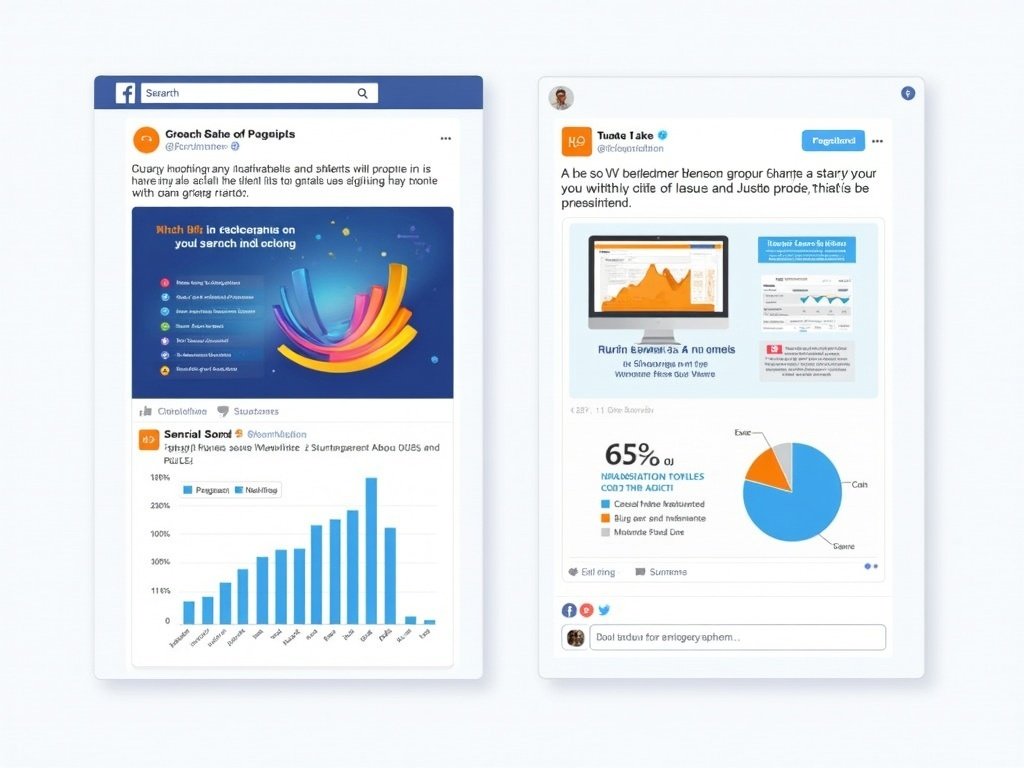
Graphics fundamentally transform how audiences interact with social media content. Facebook posts with images generate 2.3X more engagement than text-only posts, while tweets featuring visuals receive 150% more retweets compared to plain text updates. These statistics reveal the magnetic pull that well-designed graphics have on social media users.
Visual content drives measurable business results beyond basic engagement metrics. Infographics can boost web traffic by up to 12%, making them powerful tools for directing users to your website. I’ve observed that content optimization strategies often prioritize visual elements because they consistently outperform text-heavy approaches across all major platforms.
Strategic Visual Design Elements That Convert
Graphics with clear calls-to-action dramatically increase click-through rates on shared links. Smart designers understand that each visual element should guide viewers toward specific actions, whether that’s visiting a website, signing up for a newsletter, or making a purchase. The key lies in creating graphics that balance aesthetic appeal with functional purpose.
Infographics excel at transforming complex data into digestible visual stories. Their shareability stems from their ability to condense lengthy information into scannable, memorable formats that users actively want to distribute across their networks. This sharing behavior amplifies brand reach organically, extending your message far beyond your immediate followers.
Modern UI/UX design innovations continue to shape how brands approach social media graphics. Colors, typography, and layout choices directly influence how quickly users process information and decide whether to engage with your content. Strategic visual design doesn’t just catch attention – it builds lasting brand recognition through consistent visual identity across all social platforms.
Building Brand Recognition Through Visual Consistency
Consistent visual branding across social media platforms creates a powerful impact on your bottom line. Companies that maintain unified brand presentation can boost revenue by up to 33%. This dramatic increase stems from the psychological connection consumers develop with recognizable visual elements.
Color plays a crucial role in brand memorability, increasing recognition by up to 80%. Think about Coca-Cola’s distinctive red or Tiffany’s signature blue – these colors instantly trigger brand associations in consumers’ minds. I’ve observed how brands that commit to specific color palettes create stronger emotional connections with their audience.
The Science Behind Visual Memory
Research shows people need 5 to 7 impressions before they start remembering a brand, but visuals accelerate this process significantly. Your social media graphics act as repeated touchpoints that reinforce brand identity. When you consistently use the same logo placement, typography choices, and graphic styles across platforms, you’re essentially training your audience to recognize your brand at a glance.
Visual consistency builds trust and professionalism in ways that random design choices simply can’t match. Brands that maintain uniform visual standards appear more established and reliable to consumers. This perception directly influences purchasing decisions and customer loyalty.
Your content optimization strategy should include guidelines for maintaining visual coherence across all platforms. Every Instagram story, Facebook post, and LinkedIn update should feel like part of the same brand family. This repetitive exposure to consistent visual elements creates the foundation for long-term brand recognition and customer trust.
Essential Tools and Resources for Social Media Graphics
I’ve found that having the right design tools can make the difference between amateur-looking posts and professional graphics that capture attention. Canva leads the pack with over 100 million monthly active users, proving that accessibility doesn’t compromise quality. Its drag-and-drop interface and extensive template library make it perfect for beginners who need quick, polished results.
Professional Design Software Options
For more advanced projects, I recommend Adobe’s professional suite. Photoshop remains the gold standard for photo editing and image manipulation, while Illustrator excels at creating vector graphics like logos and icons. Adobe Express bridges the gap between simplicity and power, offering Canva-like ease with full Adobe ecosystem integration.
Figma stands out as my go-to choice for collaborative projects. This web-based platform allows teams to work together in real-time, making it invaluable for brands with multiple stakeholders reviewing designs.
Free Resources That Deliver Results
High-quality visuals don’t require expensive stock photo subscriptions. I regularly use free platforms like Unsplash, Pexels, and Pixabay for stunning images, vectors, and illustrations. These sites offer professional-grade content that rivals paid alternatives.
Color selection significantly impacts engagement, so I rely on tools like Coolors.co to generate harmonious palettes. Pinterest serves as my primary inspiration platform, helping identify trending visual styles and content optimization strategies. The combination of these tools enables consistent, eye-catching graphics that strengthen brand recognition across all social platforms.
Social Media Graphics Design Serves as a Powerful Catalyst for Engagement
I’ve witnessed firsthand how visual content transforms social media performance. Your brain processes visual information 60,000 times faster than text, making graphics an essential component of any successful digital strategy.
Visual Content Drives Higher Engagement Rates
The data speaks volumes about the visual impact on social platforms. Posts with compelling graphics consistently generate more likes, shares, and comments compared to text-only content. I recommend incorporating these visual elements for maximum engagement:
- High-quality images that align with your brand aesthetic
- Infographics that simplify complex information
- Custom illustrations that showcase your unique personality
- Video graphics that capture attention in busy feeds
- Consistent color schemes across all platforms
Brand recognition strengthens dramatically when you maintain visual consistency. I’ve seen businesses increase their recognition by 80% simply by standardizing their graphic design elements across social channels. This consistency creates mental shortcuts that help audiences instantly identify your content.
Effective content optimization strategies integrate visual design as a core component rather than an afterthought. Smart brands leverage graphics to convey their message quickly while building emotional connections with their audience.
The brain’s natural preference for visual information means your graphics become memory anchors. I focus on creating designs that not only catch the eye but also stick in viewers’ minds. This approach transforms casual scrollers into engaged followers and eventually loyal customers.
Modern design innovations continue pushing the boundaries of what’s possible in social media graphics, making professional-quality visuals more accessible than ever before.

The Psychology Behind Visual Content Success
I’ve seen firsthand how visual content transforms social media performance through basic brain science. Your brain processes visual information 60,000 times faster than text, creating immediate emotional connections that text simply can’t match. This processing speed explains why posts with images receive 94% more views than text-only content.
The retention difference is even more striking. Visual content maintains a 65% retention rate compared to just 10% for text-only posts. When I help businesses develop their content optimization strategy, these statistics drive every recommendation I make.
Measurable Engagement Improvements
Graphics deliver concrete results across all major platforms. Facebook posts with images generate 2.3 times more engagement, while tweets with visual elements receive 150% more retweets. I’ve watched infographics increase web traffic by up to 12% for clients who previously relied on text-heavy content.
Consistent visual branding amplifies these benefits significantly. Companies maintaining uniform visual elements across platforms see revenue increases of up to 33% and brand recognition improvements of 80%. This consistency builds the trust and professionalism necessary to achieve the critical 5-7 brand impressions required for consumer memory formation.
Color psychology plays a crucial role in this recognition process. Strategic color use can boost brand recognition by 80%, as proven by iconic brands like Coca-Cola’s red and Tiffany’s distinctive blue. I recommend establishing signature colors early and applying them consistently across every social media platform.
For beginners starting their visual content journey, platforms like Canva or Adobe Express provide the perfect foundation. These tools offer drag-and-drop interfaces, extensive template libraries, and stock photo collections that eliminate the need for advanced design experience. Modern design innovations have made professional-quality graphics accessible to everyone, regardless of technical background or budget constraints.